

Category
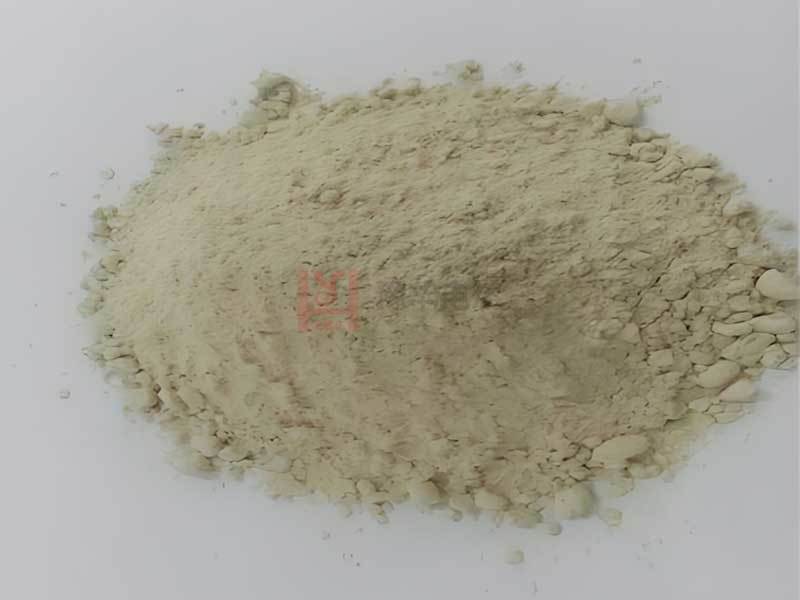

Silica thermal repair material
Classification:
Product Introduction
Product Details
Product Overview:
Silica thermal repair material is a plastic-type amorphous refractory material, mainly composed of SiO2, made from specially processed clinker and various binders and additives. This product is used as a silica thermal repair material for hot repairs of glass melting furnaces, hot blast stoves, and coke oven silica brick masonry. It is made from silica materials with quartz as the main component, special ultra-fine powders in the formulation, and various binders and additives, processed through special techniques.
Product Details:
Silica thermal repair material has excellent high-temperature performance, with various high-temperature performance indicators such as refractoriness, load softening point, and high-temperature creep significantly exceeding those of silica bricks, and it also has good resistance to glass and furnace dust erosion. This product has a strong bonding ability with bricks, is in a plastic state at room temperature, can be shaped freely, hardens immediately upon heating, and bonds firmly with bricks to form an integral structure. The construction is simple, suitable for high-temperature repairs, greatly improving working conditions for workers.
In glass furnace large dome silica brick domes, under long-term high temperatures, the impact of thermal radiation and hot air flow gradually enlarges the brick joints, combined with erosion from alkaline vapor forming mouse holes. Erosion always starts at loose brick joints, leading to the gaseous condensation of alkaline oxides forming alkaline silicates. The formation of liquid alkaline silicates exacerbates and continues the erosion process, making the mouse holes deeper, ultimately causing the dome to burn through and collapse, which has serious consequences for the lifespan and production of glass furnaces. Therefore, regular maintenance of the kiln body and using the correct repair methods and materials when necessary is very important.
Physical and Chemical Indicators:
| Refractoriness ℃ ≥ | 1700 | ||
| Load Softening Temperature ℃ ≥ | 1750 | ||
| Compressive Strength Mpa | 110℃ Drying | ≥30 | |
| 1450 After Drying | ≥35 | ||
| Linear Change Rate, (1450℃, 3h) ≤ | 0.20% | ||
| True Density cm3 | 2.33g | ||
| Apparent Density cm3 | 2300g | ||
| Apparent Porosity Rate ≤ | 22% | ||
Keywords:
Kiln Display
Feedback
Leave an online message and get free product quotes
CONTACT US
WhatsApp:
E-mail:
Tel :
Address:
The Industry Park, XinMi City, Henan Province